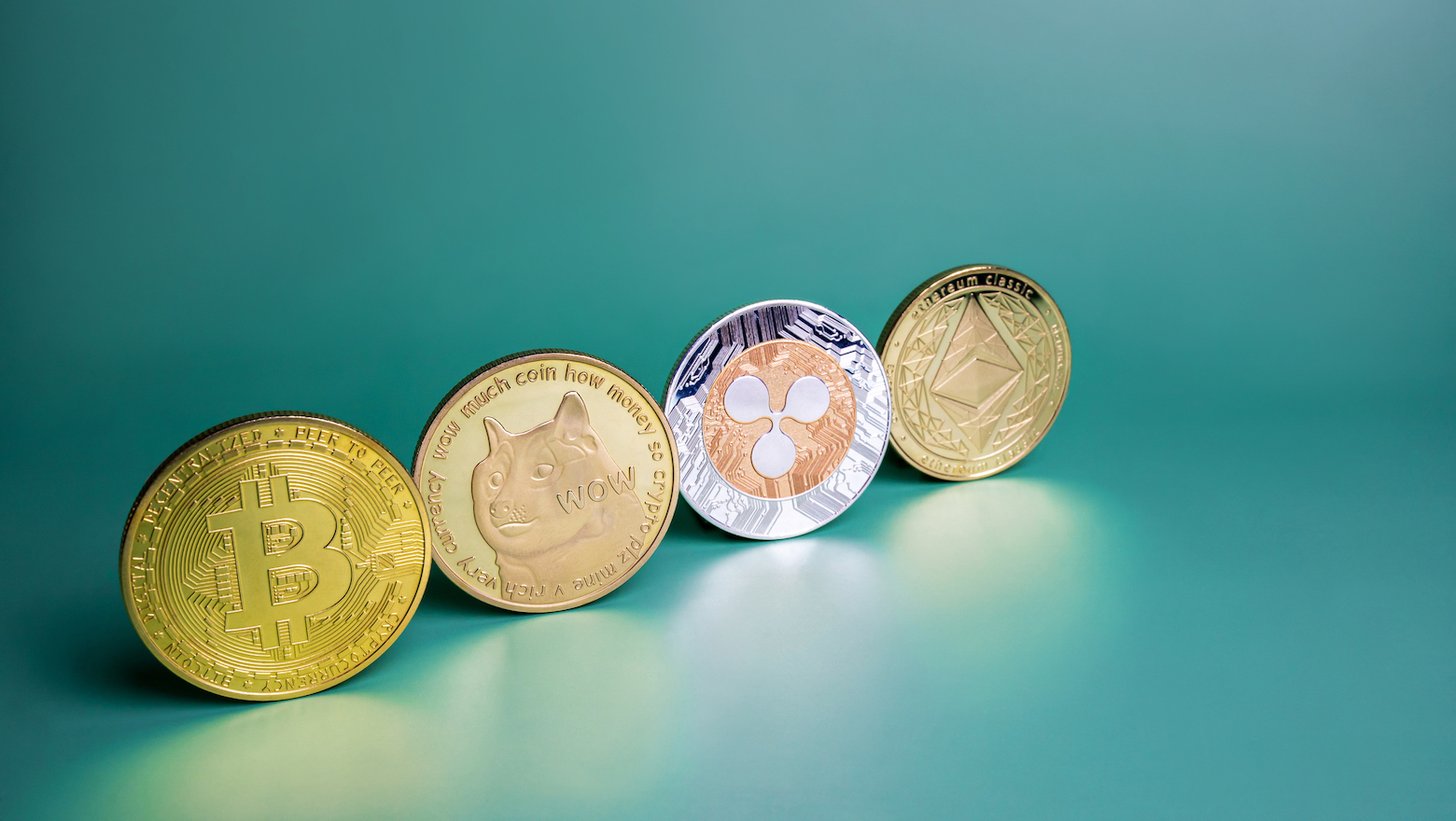
Cryptocurrency markets are Visit https://hump.io/ for hump token decentralised, which means they are not issued or backed by a central authority such as a government. Instead, they run across a network of computers. However, cryptocurrencies can be bought and sold via exchanges and stored in ‘wallets’ .
Unlike traditional currencies, cryptocurrencies exist only as a shared digital record of ownership, stored on a blockchain. When a user wants to send cryptocurrency units to another user, they send it to that user’s digital wallet. The transaction isn’t considered final until it has been verified and added to the blockchain through a process called mining. This is also how new cryptocurrency tokens are usually created.
What is blockchain?
A blockchain is a shared digital register of recorded data. For cryptocurrencies, this is the transaction history for every unit of the cryptocurrency, which shows how ownership has changed over time. Blockchain works by recording transactions in ‘blocks’, with new blocks added at the front of the chain.
Network consensus
A blockchain file is always stored on multiple computers across a network – rather than in a single location – and is usually readable by everyone within the network. This makes it both transparent and very difficult to alter, with no one weak point vulnerable to hacks, or human or software error.
Cryptography
Blocks are linked together by cryptography – complex mathematics and computer science. Any attempt to alter data disrupts the cryptographic links between blocks, and can quickly be identified as fraudulent by computers in the network.
What is cryptocurrency mining?
Cryptocurrency mining is the process by which recent cryptocurrency transactions are checked and new blocks are added to the blockchain.
Checking transactions
Mining computers select pending transactions from a pool and check to ensure that the sender has sufficient funds to complete the transaction. This involves checking the transaction details against the transaction history stored in the blockchain. A second check confirms that the sender authorised the transfer of funds using their private key.
Creating a new block
Mining computers compile valid transactions into a new block and attempt to generate the cryptographic link to the previous block by finding a solution to a complex algorithm. When a computer succeeds in generating the link, it adds the block to its version of the blockchain file and broadcasts the update across the network.
 Site Title
Leave a comment